
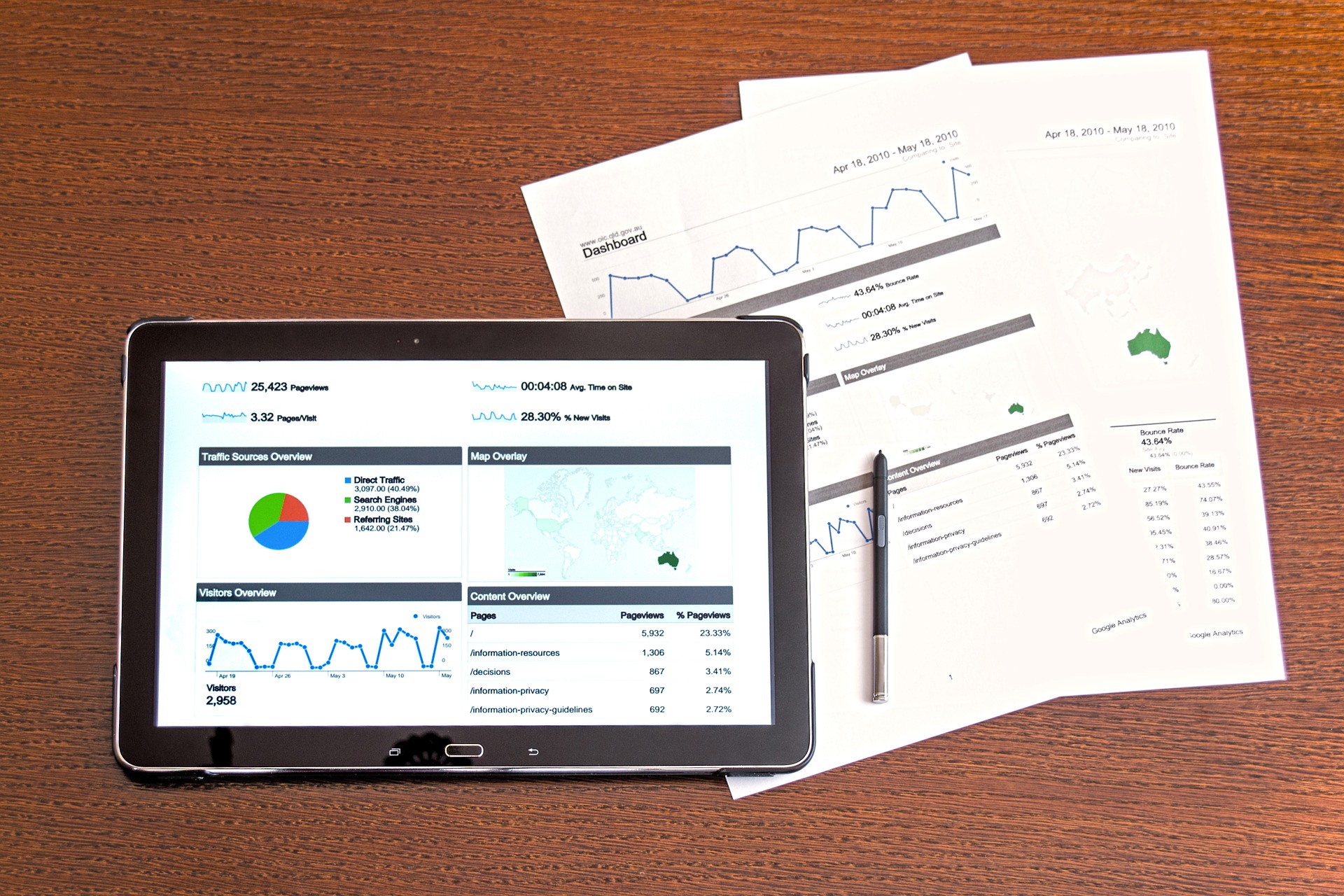
Often, the monthly requirements of some departments are basically the same. The typical presentation of your monthly KPI remains month after month. Keeping the same presentation of the numbers helps to better understand and track variances. Key users can use ad hoc queries to deep-dive into the numbers, get insights into deviations in the data, and validate what is being shown in the presentations.
From this point of view, companies need both types of reporting. Now, with a good number of new user-friendly reporting tools available, more users can meet their data analysis needs with little training. This new generation of tools empowers end users to work with their reports independently from developers, and even allows them to create canned or self-service reports.
However, these benefits should be evaluated because the user using these tools needs to understand the database to get valid information. It is important to generate a good intermediary layer between reports and the database, where complicated, technical names can be translated into business terms that are easier for final users to comprehend. To define a successful model, it is key that the analysis and the generation of the middle layer be created by a specialist in the area. If you are confused about which type of report you should choose to get better results with your information needs, here you will find a list of some of the benefits:
Self-service:
- More flexibility for business users
- Enable data discovery
- Could generate silos of information
Canned Reports
- Typically require IT development
- Provide a single version of the truth.
- Automate and distribute unique reports.
- Usually for large audiences.
- Frequently used for weekly or monthly metrics.
We hope that you have got a better understanding of this terminology now, and that you can continue doing a good Job meeting the reporting needs of your company. If you want more information or guidance, don’t hesitate to contact us at any time. enquiries@cipherbsc.com